5 Financial Ways Gen Z Are Built Different
5 Financial Ways Gen Z Are Built Different
Zoomers aren't the snowflakes that are advertised in the media.
Generation Z—those born between 1997 and 2012—are the first truly digitally native generation. They've never known a world without smartphones, social media, or instant access to information. But they've also inherited a financial landscape that looks radically different from what their parents and grandparents experienced: rising costs of living, mounting student debt, and an AI-driven workforce that's changing faster than ever.
Unlike previous generations, Zoomers lack many traditional financial touchpoints. They've never balanced a checkbook, rarely visit bank branches, and often manage their entire financial lives through apps. Yet despite—or perhaps because of—these differences, Gen Z is proving to be surprisingly savvy when it comes to money.

1. Saving for the Future
One of the most surprising findings about Gen Z is their commitment to saving. Despite facing economic headwinds, they demonstrate higher savings rates than previous generations did at the same age.
A remarkable 82% of Gen Z report satisfaction with their current savings levels. There's even a trend called "revenge saving"—a phenomenon driven by frustration with economic conditions, tariffs, and constant criticism from older generations. Instead of giving up, Zoomers are channeling that frustration into financial discipline.
What's more, 83% of Gen Z openly discuss finances with their peers. This transparency marks a significant cultural shift from previous generations, who often considered money talk taboo. For Zoomers, sharing financial information creates accountability and builds a community of support.
2. Questioning the College Investment
Gen Z is taking a hard look at higher education's return on investment—and many don't like what they see.
Over half of Gen Z question whether college is worth the cost. A full 38% believe that the benefits of a degree don't justify the student debt required to obtain one.
The numbers support their skepticism: US tuition has increased 40% over the past 15 years, and when adjusted for inflation, costs have risen 200% since 1963. Add in uncertainty about AI's impact on the job market, and it's no wonder young people are reconsidering traditional educational paths.

This doesn't mean Gen Z is anti-education. Rather, they're exploring alternatives: trade schools, bootcamps, certifications, and entrepreneurship. They're asking the right question: what's the actual ROI of this investment?
3. Financial Planning
Here's a paradox: Gen Z reports twice as much confidence about their financial futures as Gen X, yet they also experience higher stress about finances than older generations.
How do these seemingly contradictory findings coexist? The answer lies in action. While Zoomers feel the pressure more acutely, they're also more likely to do something about it. They embrace financial planning tools more readily than older generations, using apps and digital services to track spending, set budgets, and monitor their progress.
The stress they feel isn't paralyzing—it's motivating.
4. Understanding the Financial System
Gen Z learns about money differently. Only 17% cite financial advisors as their primary source of financial information. Instead, they're turning to:
- Online platforms and YouTube tutorials
- Popular media and podcasts
- Social media finance influencers
- Real-world experiences, including the "meme stock" phenomenon
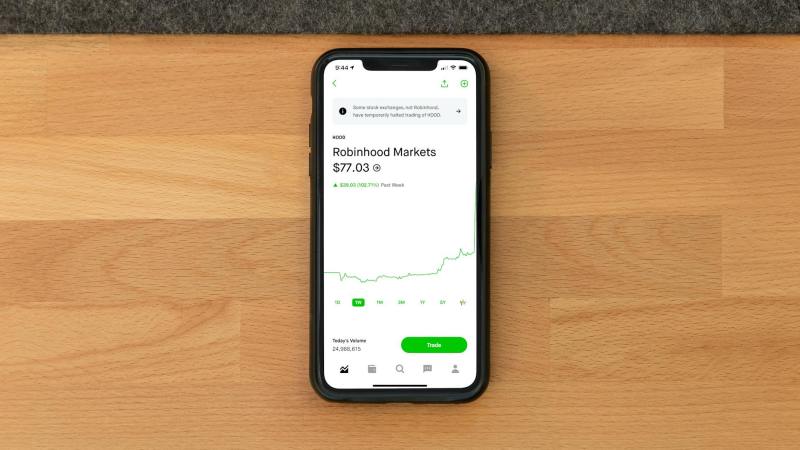
This self-directed approach to financial education has its pros and cons. On one hand, Gen Z is less reliant on traditional expert guidance that can sometimes be conflicted or out of touch. On the other hand, the quality of online financial advice varies wildly.
The key insight? Zoomers are active participants in their financial education, not passive recipients.
5. Marriage and Family
Economic uncertainty is reshaping how Gen Z thinks about major life decisions. Many are delaying family formation—not because they don't want families, but because they're being pragmatic about the costs involved.
Gen Z recognizes that marriage can be a powerful wealth-building tool. Two incomes, shared expenses, and combined financial resources create advantages that single individuals don't enjoy. But they're also hesitant about commitment in an uncertain world.
This generation is also more likely to question traditional family structures and advocate for policy reforms that support diverse living arrangements. They understand that the old playbook—college, job, marriage, house, kids—may not work for everyone.
The Bottom Line
Despite media stereotypes, Gen Z is proving to be remarkably aware, conscientious, and adaptable when it comes to money. They're not snowflakes—they're pragmatists navigating a financial landscape that's genuinely more challenging than what previous generations faced.
What they need isn't criticism, but support: fintech innovation that meets them where they are, financial education that respects their intelligence, and policies that acknowledge the economic realities they face.
The Zoomers are built different—and that might just be a good thing.